The Neural Frontier: Decoding the Architecture of Thought
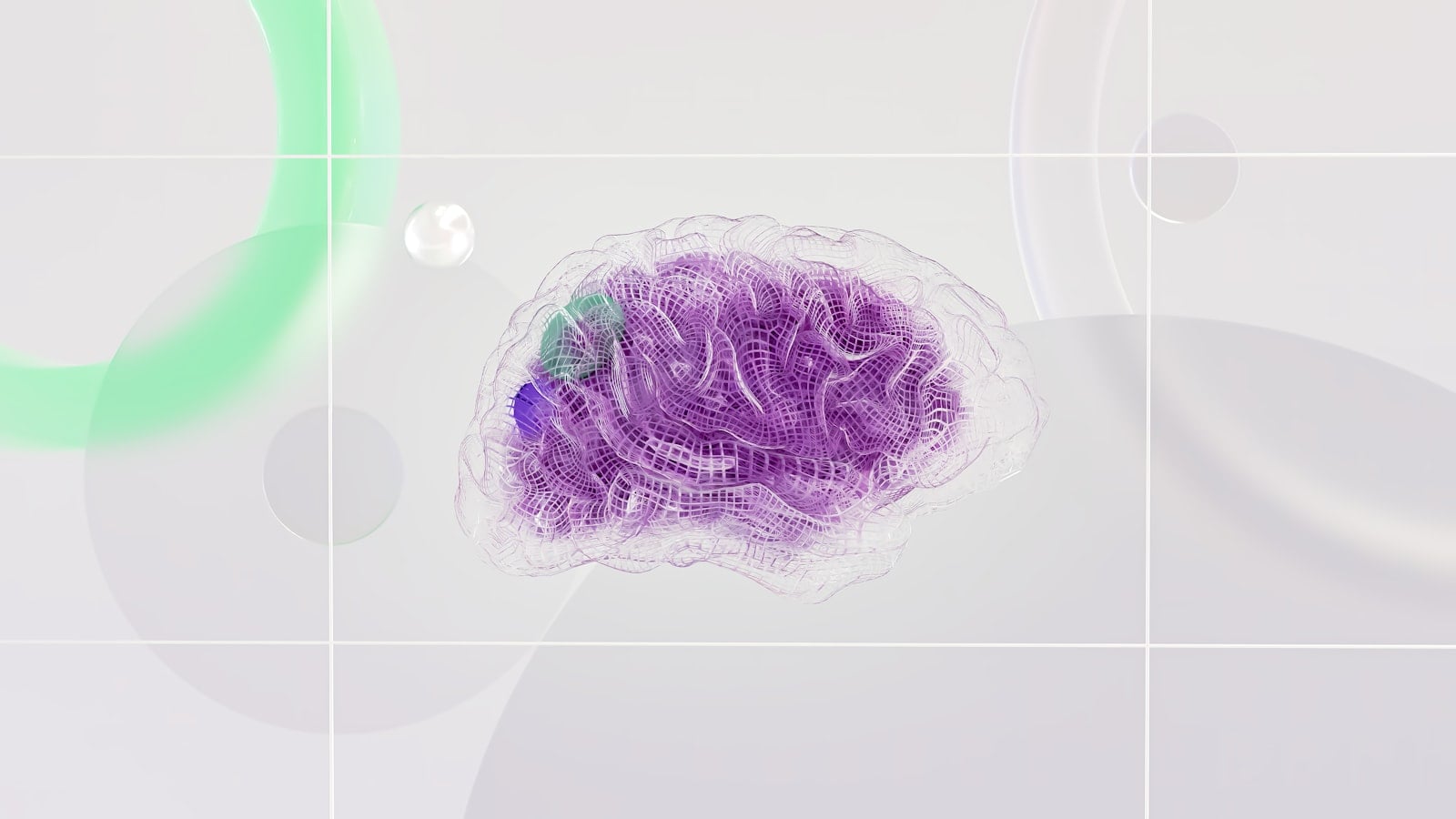
If the last decade was about mapping the genome, this decade is about mapping the Connectome. We are entering an era where the barrier between biological thought and digital execution is dissolving. This is the rise of Neurotechnology, powered by the same transformer models that drive modern AI.
Here is how we are bridging the gap between silicon and synapse.
- High-Bandwidth BCIs: The "Link" to AI
We have moved past the era of clunky, external EEG caps. The new generation of Brain-Computer Interfaces (BCIs) is focused on high-bandwidth, invasive, and semi-invasive integration.
Neuralink and Beyond: While Neuralink focuses on ultra-thin "threads" for high data throughput, companies like Synchron are using the brain’s vascular system (stentrode) to reach the motor cortex without open-brain surgery.
The Goal: To achieve a data transfer rate where humans can interface with AI at the speed of thought, bypassing the "latency" of our thumbs and vocal cords.
- AI and Thought-to-Speech Reconstruction
The most immediate "Next Level" application of bioinformatics in neurotech is in Neural Decoding.
Semantic Reconstructions: Researchers are now using Large Language Models (LLMs) to translate functional MRI (fMRI) or ECoG data into coherent text.
The Accuracy Leap: By training AI on a patient’s specific neural patterns, we can now reconstruct speech from a paralyzed individual’s "imagined speech" with over $90%$ accuracy. We are essentially building a real-time translator for the mind.
- Neuro-AI: Bio-Inspired Computing
The relationship between AI and the brain is a two-way street. We are using AI to understand the brain, and the brain to build better AI.
Spiking Neural Networks (SNNs): Traditional AI is energy-hungry. New "Neuromorphic" chips mimic the brain’s energy efficiency by only processing information when a "spike" (action potential) occurs.
Liquid Neural Networks: Inspired by the nervous systems of tiny organisms, these models can adapt their underlying equations in real-time, allowing for more flexible and robust AI agents.
- The Digital Twin of the Mind
Bioinformatics is now being applied to the Proteomics of the Neuron.
Mapping Synaptic Strength: By combining spatial transcriptomics with electron microscopy, scientists are creating "Digital Twins" of neural circuits.
Simulating Neurodegeneration: AI models can now simulate how Alzheimer’s or Parkinson’s spreads through a specific patient’s neural architecture, allowing for "In-Silico" testing of drugs before they enter the brain.
- The Neuro-Ethics Challenge: Cognitive Liberty
As we gain the ability to read and write to the brain, we encounter the ultimate ethical frontier:
Brain Privacy: Who owns your neural data? In a world of "Mind-Reading" AI, the concept of a private thought becomes a regulatory challenge.
The Cognitive Divide: If BCIs can augment memory or processing speed, how do we prevent a two-tier human society based on "Neural Upgrades"?
The Bottom Line
The human brain is the most complex structure in the known universe, but it is no longer a "black box." Through the lens of AI-driven neurotechnology, we are starting to treat the mind as the ultimate hardware/software stack.
The final interface isn't a screen—it's your consciousness.